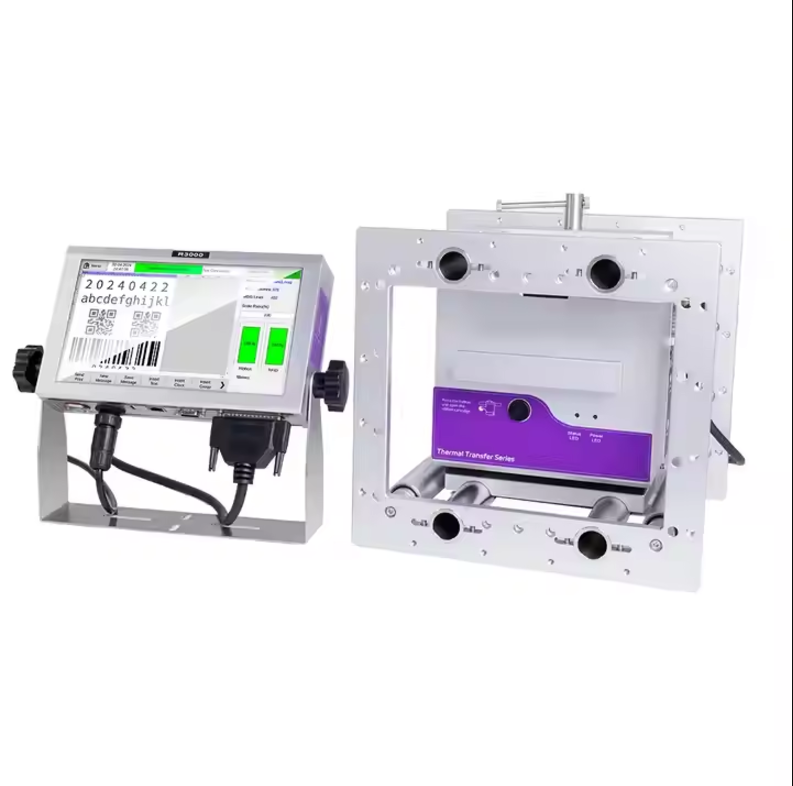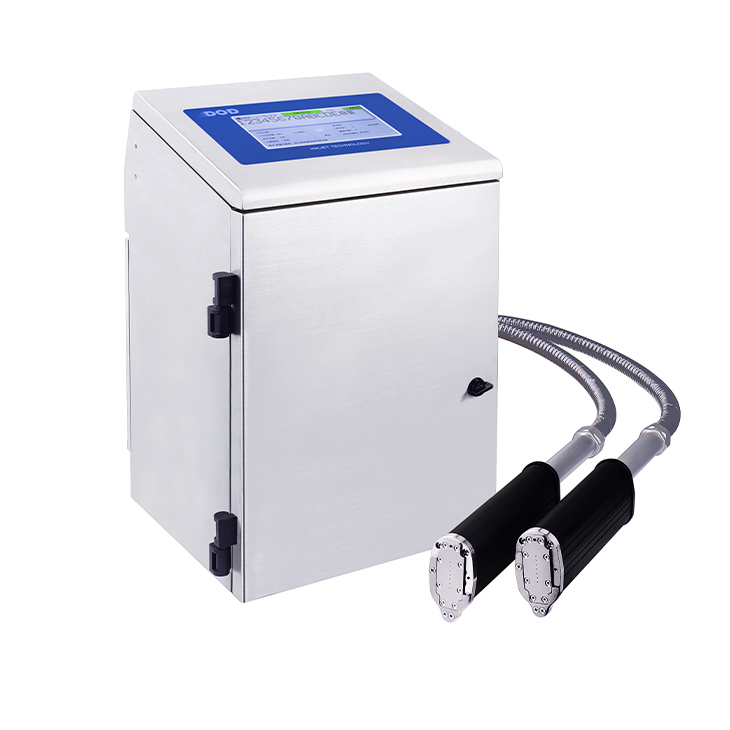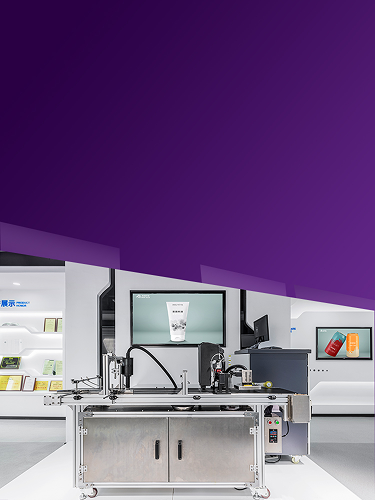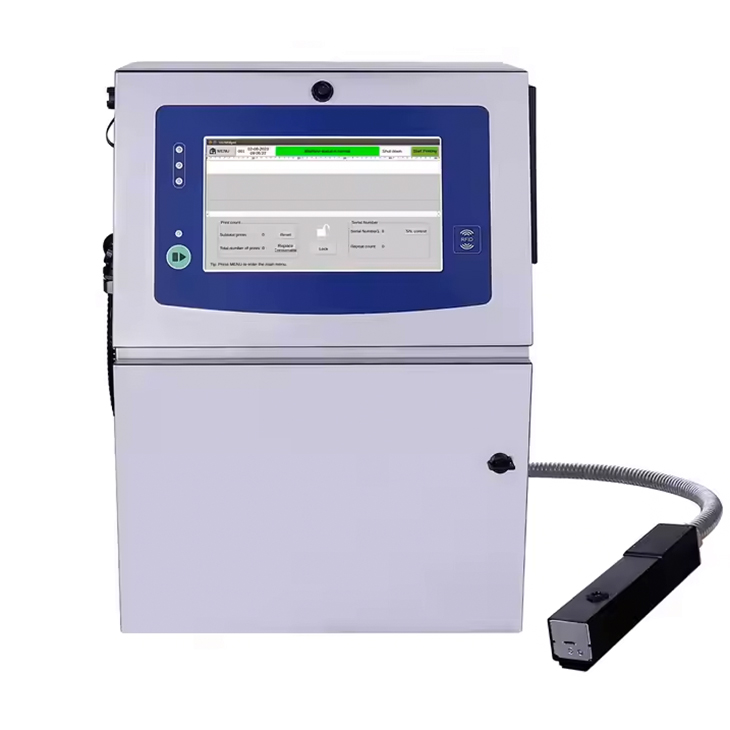
T.I.J. Printers Explained Without the Jargon
So, What's a tij printer Anyway?
Let's be honest—when you hear technical terms, your eyes probably glaze over immediately. But I promise this won't be that kind of deep dive. Today we're talking about something actually useful: the tij printer. And no, you don't need an engineering degree to get what I'm saying.
First Things First
At first, I wasn't sure what to make of thermal inkjet technology either. Sound complicated? Totally. Is it actually that confusing once you know the basics? Nope. When I first started working with these printers at my old office job, I thought they were just another expensive piece of machinery nobody really understood.
Why This Tech Actually Matters
Here's the thing—I didn't realize how much this little tech was hiding behind the scenes. Think about receipts, shipping labels, product packaging. All of those things? More than likely printed by a tij printer. It's not flashy stuff, but that's kinda the point. Sometimes the best solutions are the ones that just work quietly in the background.
How Does It Even Work?
Okay, here's where I try not to sound too technical (and fail sometimes). Basically, instead of spraying liquid like regular inkjets, these printers heat up tiny droplets so small you can barely see them. It's hot, but not hot enough to melt the print head—which, trust me, is important when you've got this running all day).
Real Talk About Pros and Cons
From my experience, there are some solid advantages, but nothing comes without trade-offs. On one hand, these printers are pretty reliable—they don't clog nearly as often as traditional ones. On the other? Yeah, they can run a bit hotter than expected during long printing sessions. It depends on the situation, honestly.
-
Good for high-volume jobs
-
Less maintenance needed overall
-
Not great for super detailed photos
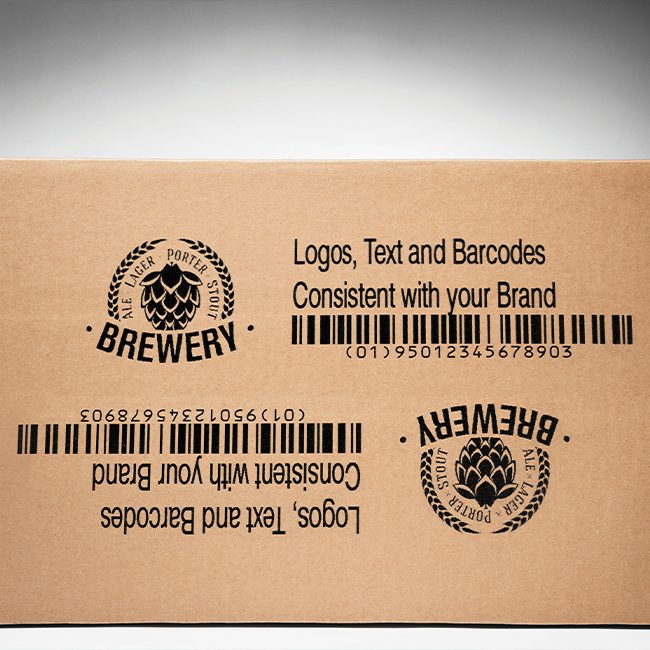
Look, every technology has its place. If you're printing barcodes or batch codes for a factory line, a tij printer is probably exactly what you want. But if you're trying to print wedding photos? Maybe look elsewhere.
What's Next for These Printers?
Honestly, I think we're going to see even more of them pop up everywhere. Why? Because businesses want reliability and speed. You don't have to love the tech to recognize that it gets the job done efficiently. And honestly, after seeing production lines slow down because of printer issues... yeah, that matters way more than you'd think.
That's really all there is to it. If you've made it this far, congrats—you've basically learned more than most people who just ignore their receipt printer. And hey, if you ever come across one of these machines and wonder what makes it tick... well, now you know.
Hey, Let's Clear Up Printer Confusion Together!
I totally get it—walk into an electronics store or scroll online, and boom! You're drowning in abbreviations. TIJ? PIEZO? DTF? Even "thermal" sounds like something you'd use on a grill, not a printer. I remember staring at specs last year, thinking, "Wait, is this laser? Inkjet? Both?" So let's chat plainly.
What Does T.I.J. Actually Mean?
Short for Thermal InkJet, yes. But skip the textbook definition. Think of it like this: a TIJ printer heats tiny bubbles in ink cartridges, popping them to shoot droplets onto paper. Sounds wild, right? It's basically controlled science meets kitchen popcorn.
Why Heat Ink Anyway?
No needles, no fancy crystals—just heat. Each nozzle gets a little warm-up to push out ink. Cheaper to build than some high-tech alternatives, which is why TIJ printers often come at friendlier price points. Not perfect, but pretty clever.
TIJ vs. Laser & Piezo: What's the Catch?
Here's where it gets spicy. Laser printers use powder and heat fusion—great for offices. Piezo printers vibrate ink instead of heating it, handling thicker inks better. TIJ sits somewhere in the middle: reliable for home/office docs, less ideal for heavy-duty jobs. Think of it as the budget sedan of printers.
Common Myths Busted!
"TIJ dies quickly": Not true! Modern ones last years if maintained.
"All TIJ printers clog easily": Depends on usage. Regular printouts help!
"They're outdated tech": Still dominant for basic tasks. Don't dismiss yet.
So, Should You Buy One?
If you print documents occasionally, want low upfront costs, or run a small business—heck yes. But for photos or high-volume stuff? Maybe look elsewhere. I'd say, match your printer to your life. No one-size-fits-all here.
Final Thought
Next time you see "tij printer" in a spec sheet, smile. You now know it's just a smart way to shoot heated ink. Life's complicated enough without printer mysteries. Go forth and print confidently!
What Even Is a TIJ Printer?
Ever stumbled across the term tij printer and felt like everyone else understood it except you? I totally get that. When I first heard "thermal ink jet," I pictured astronauts launching tiny rockets. Turns out, it's much simpler—and slightly less dramatic.
Basically, a TIJ printer heats up tiny ink reservoirs to create vapor bubbles, which gently push droplets onto paper. No motors, no complex parts—just heat and ink. Think of it like boiling water to pop popcorn kernels… but instead of snacks, you get crisp text and vibrant photos.
Why TIJ Stands Out (Literally)
Here's the thing: most home printers use TIJ tech because it's affordable and low-maintenance. Plus, the entire printhead lives in the ink cartridge. Swap the cartridge, and poof—you've replaced the parts most prone to wear. Genius move, right?
The One Quirk Nobody Warns You About
At first, I thought TIJ printers were foolproof. Then I left mine unused for two weeks while traveling. Came back, hit print, and got pages full of gaps. Turns out, dried ink loves to block those teeny nozzles. Not a dealbreaker, but definitely a minor headache.
Here's how I fixed it: Run a cleaning cycle every few months (takes like 3 minutes), and print a test page weekly if you aren't using it daily. Pro tip: Don't leave empty cartridges sitting around—they'll dry out faster than my coffee on Mondays.
How TIJ Compares to Other Printers
Still wondering if TIJ is right for you? Let's stack it up against rivals:
| Tech Type | Print Method | Ideal For | Potential Hiccups |
|---|---|---|---|
| TIJ | Heat creates bubbles | Home use, quick jobs | Drying ink clogs |
| Piezo | Vibrates ink crystals | Professional color work | Higher maintenance costs |
| Laser | Melts toner powder | Bulk documents | Heavier machines |
Bottom Line: Give TIJ a Chance
If you mostly print homework, recipes, or occasional docs, a tij printer might be your secret weapon. Sure, dried nozzles happen—but they're fixable with a little TLC. And hey, sometimes the smallest headaches teach us the most valuable lessons.
P.S. If you own one and haven't tried printing anything in ages, go ahead now. Watch that satisfaction build up. Or at least check your ink levels before hitting the panic button.
What Exactly Is a T.I.J. Printer?
Okay, so you've probably come across the term tij printer somewhere online or maybe someone mentioned it at work, and you're like... what does that even mean? Honestly, I get it. The printing world can feel like a whole other language sometimes.
Let me break it down for you. T.I.J. stands for Thermal Inkjet. Yep, just those letters thrown around at the printer store. But here's the thing—it's actually pretty straightforward once you know what it is.
Basically, a t ij printer uses heat to push ink out of tiny nozzles onto paper. The printer heats up tiny bubbles in the ink cartridge, and when those bubbles pop, they shoot the ink onto whatever you're printing. It's one of the most common types you'll find in homes and offices nowadays.
Looking at Your Options
Now, I want to talk about something that always bugged me when I was shopping around—how do you actually tell if you're getting a good deal or being played? At first, I wasn't sure either, honestly. There were so many options and tech specs flying everywhere.
Here's what worked for me. Look beyond the buzzwords.
-
Nozzle count matters. More nozzles usually means faster printing, but it doesn't have to be astronomical to do its job.
-
Ink costs add up. Check what refill cartridges run for. Some printers are cheap upfront but eat money like crazy over time.
-
Print speed isn't everything. You want decent speed, but don't sacrifice quality for it unless you really need bulk documents only.
It depends on your situation. If you're printing photos every day, maybe skip the budget option. If you just need docs from time to time, a mid-range t ij printer will probably serve you fine.
Where to Buy Without Getting Lied To
This is where things get tricky, because let's be real—there are some sketchy sellers out there. I made the mistake of buying from a discount site early on, and guess what? Printer barely lasted three months.
What I recommend now:
-
Stick with authorized dealers. Yeah, they might cost slightly more, but you get warranty support and genuine products.
-
Read recent reviews. Not just overall ratings, but what people say after six months of using it.
-
Return policies matter. If something goes wrong, can you send it back without fighting for weeks?
Trust me, spending a bit extra upfront saves headaches later. That's the lesson I learned the hard way.
My Final Thoughts on Quality Units
At the end of the day, finding a quality t ij printer comes down to balancing features with your actual needs. Don't let salespeople convince you that you need $500 worth of bells and whistles if you're just printing receipts from Amazon.
Do your homework, ask questions, and trust your gut—if something feels off during the buying process, walk away. There's always another option out there.
And hey, if you're still confused, just start by looking up a few models online. Read comparison charts. Watch video reviews. Pretty soon, the jargon won't sound so intimidating anymore.
Hope this helped clear things up a bit!